Leather footwear is a staple in many wardrobes, valued for its durability and classic appeal. However, without proper maintenance, even the finest leather can crack, fade, or lose its shape. This guide provides a comprehensive overview of leather shoe care, focusing on cleaning, conditioning, and polishing techniques that help preserve the material’s integrity over time. By understanding the nature of leather and adopting a consistent care routine, you can maintain the appearance and longevity of your shoes.
The following sections outline a systematic approach to leather care, from assessing the shoe’s condition to applying protective finishes. Each step is explained in detail, emphasizing methodology and the importance of using appropriate products. Whether you are caring for dress shoes, boots, or casual loafers, these principles apply across various leather types and finishes.
Understanding Your Leather
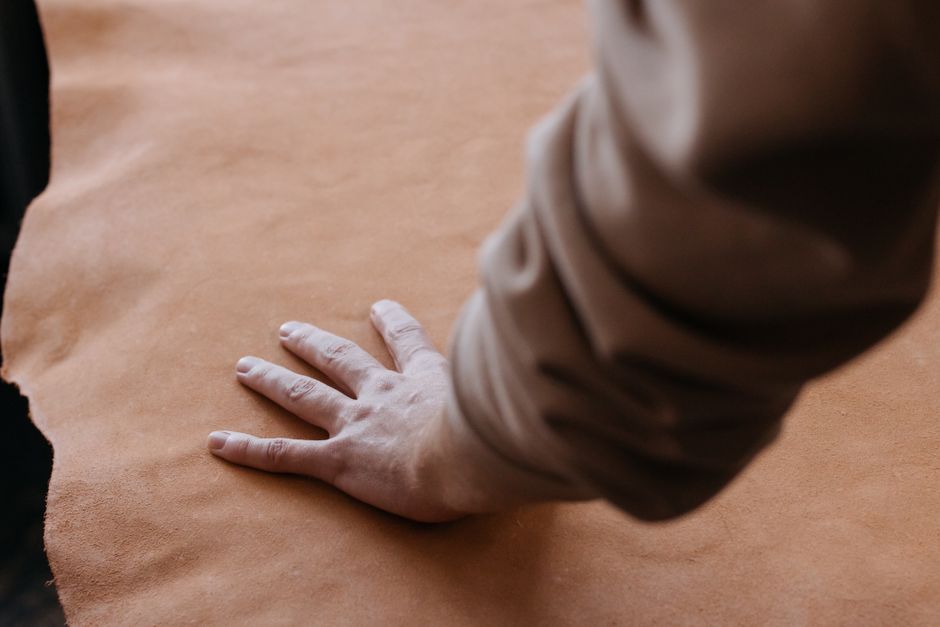
Before starting any care routine, it is essential to identify the type of leather and its finish, as different materials require distinct handling. Full-grain leather, for instance, retains the natural grain and is highly durable, while top-grain leather is sanded for a smoother texture. Corrected-grain leather is often coated with a polymer finish, making it more resistant to water and stains. Suede and nubuck, on the other hand, have a napped texture and are more delicate, requiring specialized brushes and erasers rather than standard polishes.
Checking the manufacturer’s instructions or the shoe’s labeling can provide guidance, but a simple water test can also reveal the finish. Placing a drop of water on an inconspicuous area and observing whether it beads up or absorbs can indicate the level of protection. This assessment helps in selecting suitable cleaning agents and conditioners, ensuring that you do not inadvertently damage the leather.
Essential Tools and Supplies
Assembling the right tools is a prerequisite for effective leather care. A basic kit should include a soft-bristled brush, a horsehair brush for polishing, cotton or microfiber cloths, and applicator brushes or sponges. Depending on the leather type, you may also need a suede brush, a suede eraser, and a chamois cloth. For cleaning, mild saddle soap or a dedicated leather cleaner is recommended, while conditioners can be in the form of creams, lotions, or waxes. Polishing creams and wax polishes are used for adding shine, and protective sprays or waterproofing agents can help guard against moisture and dirt.
It is advisable to choose high-quality products that are appropriate for the specific leather. Some conditioners contain dyes or pigments that may alter the color, so colorless or neutral options are versatile for most shoes. Additionally, using separate cloths for cleaning, conditioning, and polishing prevents cross-contamination of products and ensures even application.
Step-by-Step Cleaning Process
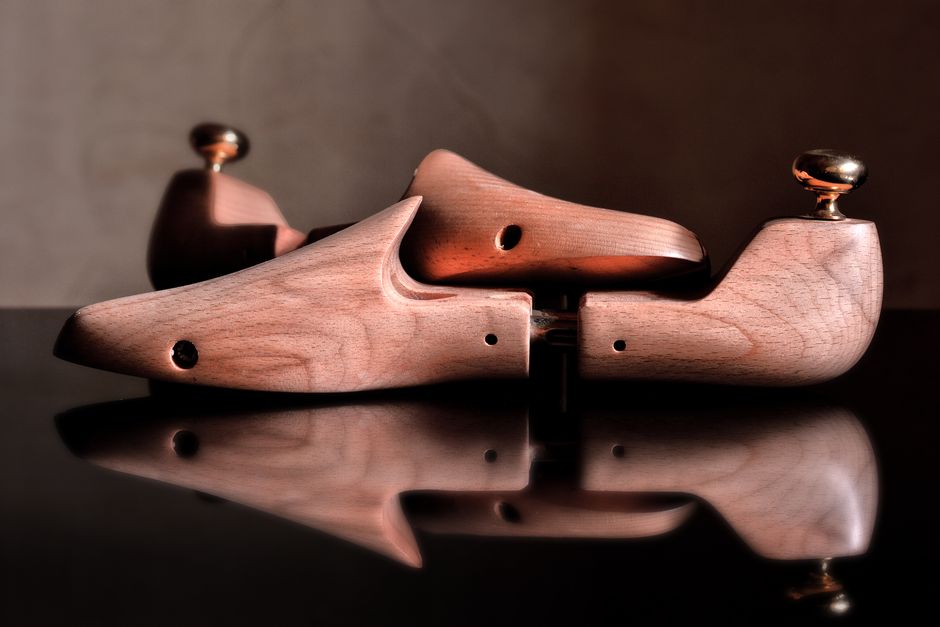
Begin by removing the laces and inserting shoe trees, which help maintain the shape and absorb moisture. Use a soft brush or a cloth to gently remove loose dirt and dust from the surface, paying attention to crevices and seams. For stubborn grime, a damp cloth can be used, but avoid soaking the leather excessively.
Next, prepare a gentle cleaning solution by mixing a small amount of saddle soap or leather cleaner with water according to the product instructions. Using a soft cloth or sponge, apply the solution in circular motions, working a lather and lifting embedded dirt. It is important not to saturate the leather; a damp, not wet, cloth is ideal. After cleaning, wipe off any soap residue with a separate damp cloth, then allow the shoes to air dry away from direct heat or sunlight.
Once dry, the leather may feel stiff or have water spots; this is normal. A thorough brushing with a horsehair brush can help restore some flexibility and even out the appearance. For suede or nubuck, use a suede brush to lift the nap and remove surface dirt, and address stains with a suede eraser.
Conditioning to Preserve Suppleness
Conditioning replenishes the natural oils lost during wear and cleaning, preventing the leather from drying out and cracking. Choose a conditioner that matches your leather type; creams are suitable for most smooth leathers, while balms or oils work well for rugged boots. Apply the conditioner sparingly using a soft cloth or applicator, massaging it gently into the leather in circular motions. Allow it to penetrate for several minutes, then buff off any excess with a clean cloth.
Frequency of conditioning depends on the leather’s exposure to elements and the level of use. As a general guideline, conditioning every few months is a reasonable starting point, but always observe the leather’s condition: if it appears dry or develops a whitish film, it may need conditioning more often. Over-conditioning can also be detrimental, as it may soften the leather excessively or attract dirt. Therefore, monitoring the leather’s response is key to determining the right balance.
Polishing for Shine and Protection
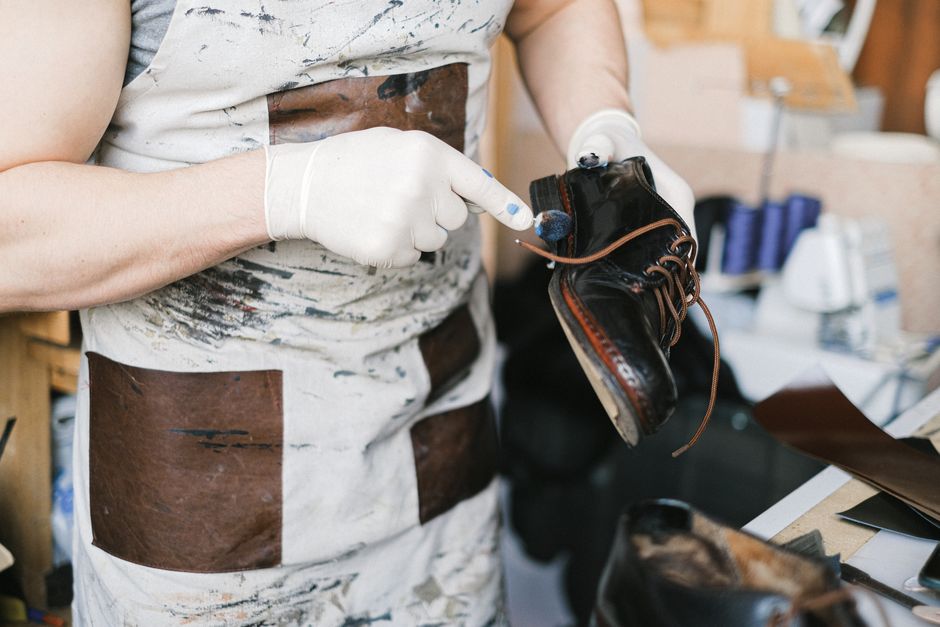
Polishing serves both aesthetic and protective purposes, providing a glossy finish that repels water and light dirt. For a classic shine, use wax polish in a shade matching the shoe color, or a neutral polish for a subtle gloss. Apply a small amount of polish with a damp cloth, using circular motions and building thin layers. Allow the polish to dry slightly, then buff with a horsehair brush to achieve a desired sheen. For a high-gloss mirror shine, add a drop of water and work the polish with a soft cloth in small circles, repeating until the desired effect is achieved.
Cream polishes, which contain conditioners, can be used as an alternative to wax for a softer shine and additional nourishment. However, creams do not provide the same level of water resistance as waxes. Depending on your preference, you may choose to alternate between cream and wax applications, ensuring that each layer is properly absorbed or dried before the next.
Ongoing Maintenance and Protection
To extend the life of your leather shoes, incorporate small habits into your routine. Always remove shoes by hand, using a shoehorn if necessary, to avoid damaging the heel counter. After wear, allow shoes to air out and use cedar shoe trees to absorb moisture and maintain shape. Protective sprays can create a barrier against water and stains, but they should be applied after cleaning and conditioning, and re-applied periodically as the effect diminishes.
Rotate your footwear to give each pair ample time to rest and recover. This practice reduces the stress on the material and allows moisture to evaporate fully. Additionally, store shoes in a cool, dry place away from direct sunlight, preferably in a breathable dust bag or box. For deep scuffs or scratches, consider consulting a professional cobbler who can perform more involved repairs, such as re-soleing or re-dyeing, ensuring the shoes remain functional and aesthetically pleasing.
In summary, leather shoe care is a deliberate process that involves understanding the material, using the right tools, and performing regular maintenance. By following these steps, you can preserve the appearance and durability of your footwear, adapting your approach based on wear conditions and the specific characteristics of the leather. Remember that the results depend on consistent care and the quality of products used, and each pair of shoes may respond differently to treatment.