Breaking in a new pair of leather shoes can be a delicate process. Leather is a natural material that responds to wear and conditioning, but it often needs a gradual adjustment period to conform to the unique shape of your feet. Rushing this process can lead to discomfort, blisters, and even damage to the footwear itself. The goal is to achieve a comfortable fit without compromising the integrity of the leather or your own well-being.
This guide outlines a variety of methods that can help soften and stretch leather shoes gradually. Each technique focuses on controlled, incremental changes that allow the material to adapt naturally. It is important to remember that every pair of shoes and every individual’s feet are different, so results may vary. The approaches described here are intended to provide context and options rather than guaranteed outcomes.
Understanding Leather and Its Behavior
Leather is a durable and breathable material that molds to the foot over time. Its natural fibers have a certain amount of give, but they also need to be coaxed gently. Heat, moisture, and wear all play roles in how leather stretches. Understanding these factors can help you choose the most suitable method for your particular situation.
Leather shoes typically feel tight in specific areas, such as the toe box, the sides, or the heel. Identifying where the pressure points are can guide your approach. For instance, if the shoes are too narrow, you might focus on stretching the width, while if they are too short, you might need to target the length. It is also essential to consider the type of leather, as some finishes are more pliable than others.
Conditioning the leather is a fundamental part of the process. Leather conditioners and oils help maintain moisture balance, making the fibers more supple and less prone to cracking. Proper conditioning not only prepares the leather for stretching but also preserves its appearance and longevity. Regular care can prevent the material from drying out and becoming stiff, which is a common issue during the break-in period.
Gradual Wear Techniques
One of the simplest and most effective ways to break in leather shoes is to wear them for short periods around the house. This allows your feet to gradually warm and flex the material. Start with just 15 to 30 minutes at a time, and increase the duration as the shoes begin to feel more comfortable. Wearing thick socks can also help stretch the leather slightly, as they add a bit of padding and pressure.
Another approach is to alternate between different pairs of shoes throughout the day. This reduces the constant pressure on any one area, giving the leather time to recover and adjust. It can also prevent over-stretching in one spot. For example, you might wear your new shoes for an hour in the morning, switch to a different pair for a few hours, then return to the new ones later in the day.
It is crucial to listen to your body. If you feel sharp pain or notice hot spots, it is advisable to stop wearing the shoes immediately. Pushing through pain can lead to blisters and other foot issues. Instead, allow your feet to rest and reassess whether another method might be more suitable.
Heat and Moisture Methods
Heat can make leather more pliable, but it must be applied carefully to avoid damage. One popular technique involves using a hairdryer on a low or medium setting. Hold the dryer about 6 to 8 inches away from the shoe and focus on the tight areas while wearing thick socks. Move the dryer continuously so the heat is distributed evenly and does not concentrate on one spot. Continue for a few minutes, then wear the shoes around the house as they cool. This method should be used sparingly, as excessive heat can dry out and crack the leather.
Moisture is another factor that can help stretch leather. Applying a damp cloth or using a water mist can add a small amount of humidity to the material. However, it is essential to avoid soaking the shoes, as this can cause staining and distortion. A light misting, followed by wearing the shoes until they dry naturally, might be enough to encourage some give. Some people use newspaper or a shoe stretcher with a moisturizing spray, but these require careful monitoring.
Another technique combines heat and moisture by using a steam source, such as a kettle. Hold the shoe over the steam for a few seconds, then wear it briefly. This method requires caution, as steam can be hot and also risks over-wetting. It is best to test this on a small area first to see how the leather reacts.
Mechanical Stretching Tools
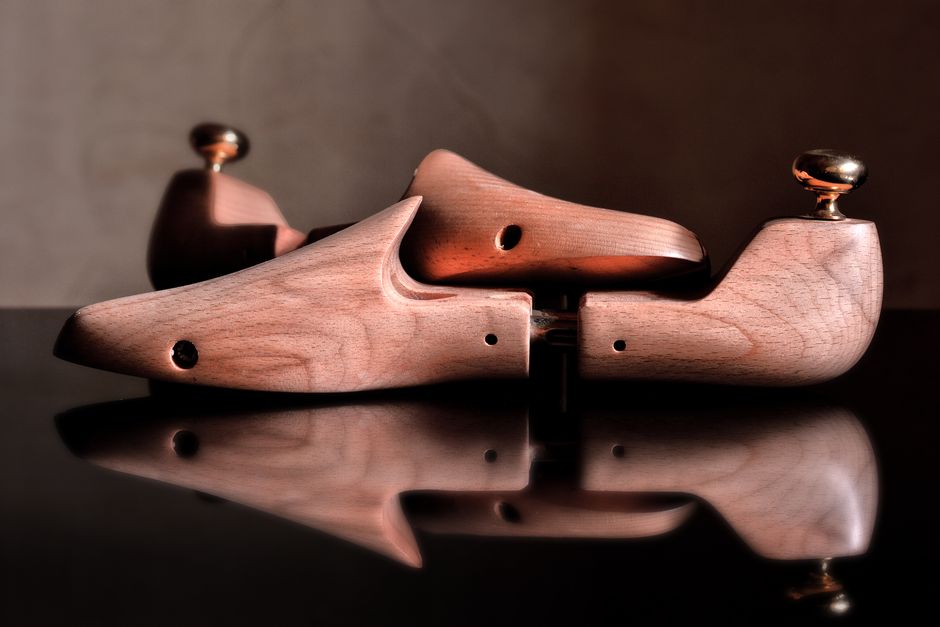
Shoe stretchers are devices specifically designed to expand leather shoes. They can be adjusted to apply pressure to specific areas, such as the toe box or the instep. There are also boot stretchers for taller footwear. Most stretchers come with adjustable knobs and can be inserted into the shoe and left overnight. Some models include attachments to target bunions or corns.
When using a shoe stretcher, it is important to follow the manufacturer’s instructions. Start with a gentle adjustment and increase the tension gradually over several sessions. Overstretching can weaken the seams or cause the leather to tear. It is also recommended to use a leather conditioning spray or lotion before stretching, as it helps the fibers slide more easily.
For those who prefer a DIY approach, a wooden shoe tree can be used with additional layers of socks or towels to create extra width. However, this method is less controlled and might not yield consistent results. A professional shoe repair shop can also provide stretching services, which may be a safer option for high-end or delicate footwear.
Conditioning and Maintenance
Proper conditioning throughout the break-in period is vital for both comfort and durability. Using a high-quality leather conditioner keeps the leather soft and prevents it from becoming brittle. Apply a small amount to a soft cloth and massage it into the leather in circular motions. Allow it to absorb before wearing the shoes. Over-conditioning can make the leather too soft, so it is best to follow the product’s recommendations.
Between wearings, it is beneficial to insert shoe trees. Shoe trees help maintain the shape of the shoes and absorb moisture from the leather. Cedar wood shoe trees also provide a pleasant fragrance and natural deodorizing properties. This practice can extend the life of the shoes and keep them looking their best.
It is also essential to allow the shoes to rest after a wearing session. Leather needs time to recover and dry out from any moisture absorbed during wear. Rotating your shoes and not wearing the same pair every day can significantly improve their condition over time.
Professional Assistance and Considerations
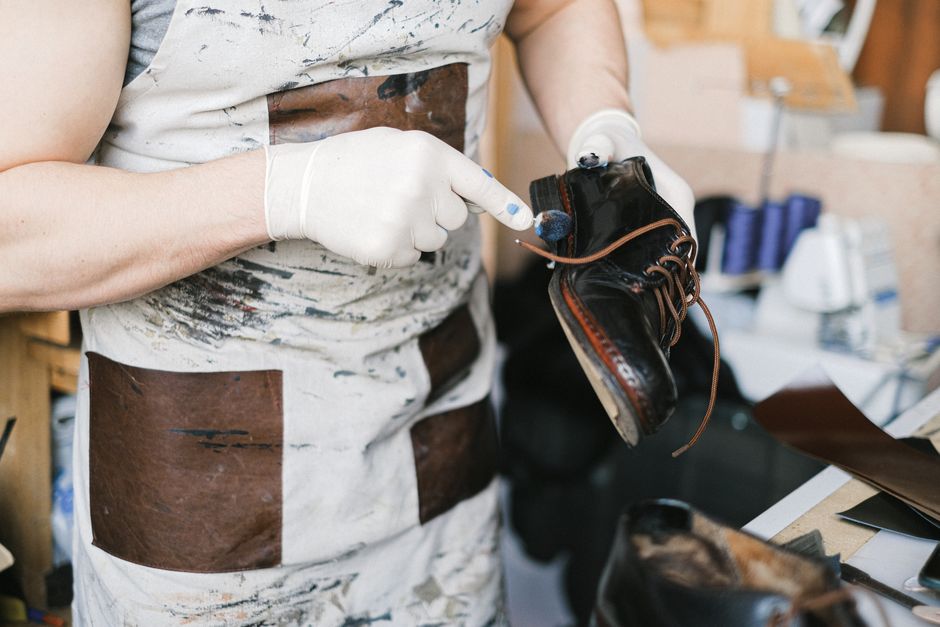
In some cases, professional help may be the most appropriate route. A cobbler or shoe repair specialist can evaluate the fit and suggest customized stretching or adjustments. They have access to industrial stretching machines that can apply even, controlled pressure. This is particularly useful for shoes that require significant adjustments or are made from stiff materials.
It is also wise to consider the quality and construction of the shoes. Higher-quality leather shoes often require a longer break-in period but yield a more personalized fit. Conversely, some synthetic materials may stretch differently, and the methods here may not be as effective. Always check the manufacturer’s care instructions before applying any treatment.
Ultimately, breaking in leather shoes is a gradual process that demands patience and attention. The methods described above are based on common practices, but their effectiveness depends on various factors, including the specific leather, the shoe’s construction, and your foot shape. If you experience persistent discomfort or notice any signs of damage, it is advisable to consult a professional for guidance.