Materials Explained: Suede vs. Nubuck – Which Is Better?
When selecting footwear or accessories, the choice of material often influences both aesthetics and functionality. Among the many options available, suede and nubuck stand out as popular types of leather with distinct characteristics. While they may appear similar at first glance, their production processes, textures, and maintenance needs differ considerably. Understanding these differences is essential for making an informed decision that aligns with personal preferences and lifestyle requirements.
This article provides a comprehensive comparison between suede and nubuck, focusing on their origins, physical properties, durability, and care protocols. By examining each aspect in detail, readers can gain a clearer perspective on how these materials perform in various contexts. The goal is to present factual information that facilitates a thoughtful evaluation rather than promoting one material over the other.
Origins and Production: From Hide to Finished Surface
The fundamental difference between suede and nubuck lies in the side of the hide used and the finishing techniques applied. Suede is made from the underside of the animal hide, which is split and then buffed to create a soft, napped surface. This process results in a material that is thinner and more flexible than traditional full-grain leather. Because the underside has a looser fiber structure, suede tends to have a finer, more delicate nap.
Nubuck, on the other hand, is crafted from the top grain of the hide, just like standard leather. The surface is buffed slightly to raise a subtle nap, giving it a velvety texture that is often compared to suede but is generally more durable and resistant to wear. The difference in the base layer means that nubuck is typically more substantial and less prone to tearing than suede.
Furthermore, the tanning and dyeing processes can vary, affecting the final color and finish. Suede often absorbs dyes deeply, resulting in rich, vibrant colors, while nubuck may have a more muted, natural appearance due to the buffing of the top grain. Both materials can be treated with protective finishes, but the inherent properties of each influence how they respond to environmental factors such as moisture and abrasion.
Texture and Appearance: Sensory Differences
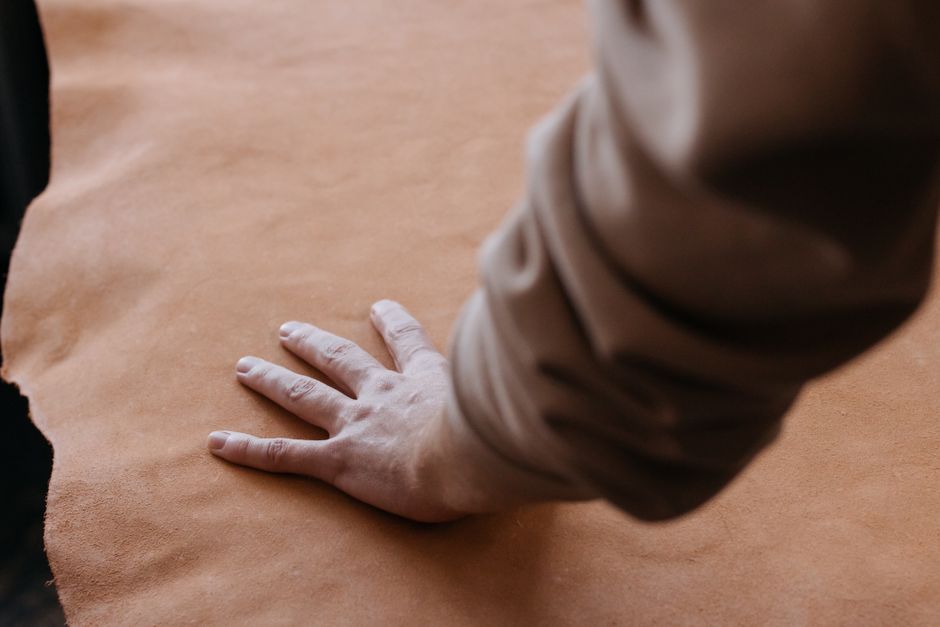
The tactile experience of suede and nubuck is one of the most noticeable distinctions. Suede has a very soft, fine nap that feels almost like velvet, making it pleasant to touch and comfortable to wear. This texture is achieved through extensive buffing, which creates a plush surface that is often associated with luxury and sophistication.
Nubuck, in contrast, has a slightly coarser nap because it is derived from the stronger top grain. While still smooth and soft, it feels more substantial and less delicate than suede. The surface of nubuck is often described as having a brushed or suedelike appearance, but with a bit more resistance to marking. This difference in texture can influence not only the aesthetic appeal but also the practical performance of the material in everyday use.
Visually, suede tends to have a more uniform and finer grain, which can make it appear smoother and more refined. Nubuck may show subtle variations in the leather’s natural grain, adding a layer of character and uniqueness. These visual nuances are important considerations for those who value specific aesthetic outcomes in their footwear or accessories.
Durability and Resilience: Performance Under Stress
Durability is a key factor when choosing between suede and nubuck, as it directly affects the lifespan of the product. Generally, nubuck is considered more durable than suede due to its origin from the stronger top layer of the hide. This makes nubuck more resistant to scratches, scuffs, and abrasions, which is particularly beneficial for items like shoes and bags that undergo frequent handling.
Suede, being thinner and softer, is more susceptible to damage from friction and moisture. It can easily become marked or water-stained, requiring careful handling and maintenance. However, suede’s flexibility and comfort are advantages in certain applications, such as linings, gloves, or lighter footwear where breathability is desired.
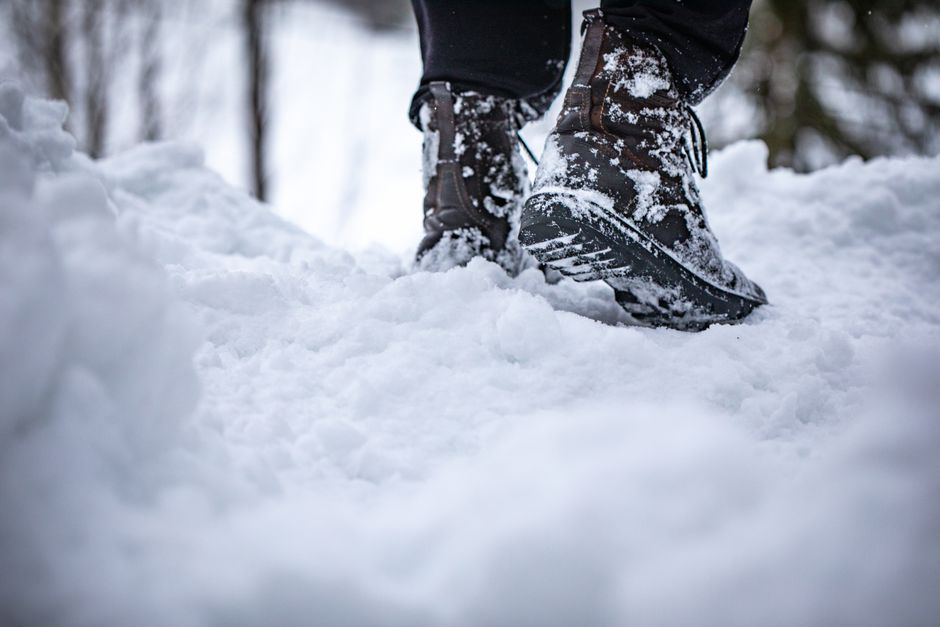
It is important to note that both materials require proper care to maintain their appearance and integrity. Protective sprays and regular brushing can enhance their resilience, but the intrinsic properties of each material set limits on how much they can withstand. For instance, nubuck may tolerate light rain better than suede, but neither should be exposed to prolonged wet conditions without appropriate treatment.
Care and Maintenance: Preserving Quality
Proper care is essential for extending the life of suede and nubuck products, but the methods differ slightly due to their structural differences. Suede is more delicate and requires gentle handling. A soft brush or specialized suede eraser can be used to remove surface dirt and restore the nap. Water and liquid stains should be addressed immediately with a damp cloth and then allowed to air dry naturally, avoiding direct heat sources.
Nubuck, while more resilient, also benefits from regular brushing to keep the nap raised and even. It is advisable to use a nubuck brush or a dry cloth to maintain its texture. For both materials, applying a water and stain repellent spray can provide a protective barrier, but it is crucial to follow the manufacturer’s instructions and test on an inconspicuous area first.
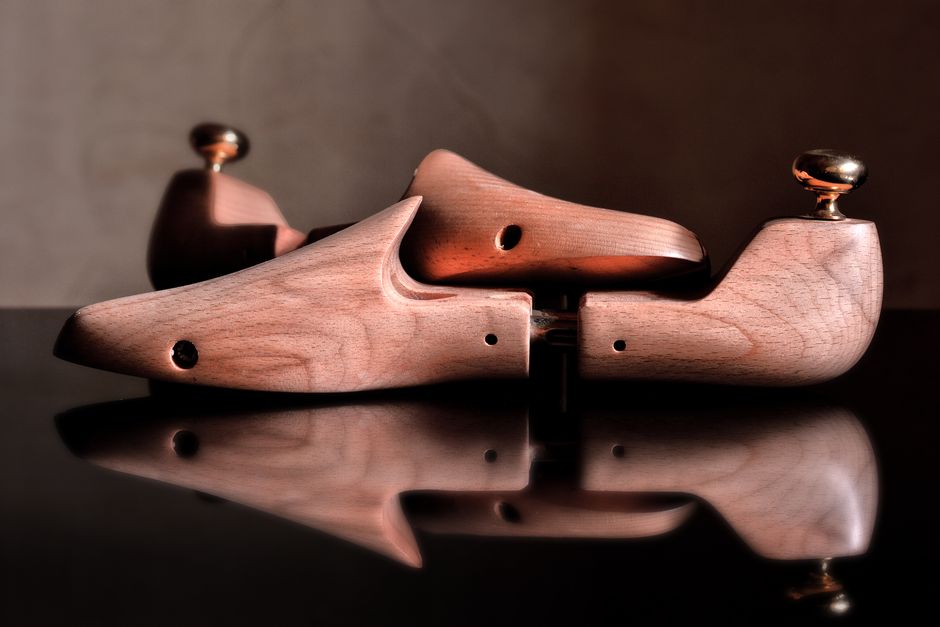
Additionally, proper storage is important. Items made from suede or nubuck should be kept in a cool, dry place away from direct sunlight, which can cause fading or drying. Using shoe trees can help maintain their shape, especially for footwear. By adhering to a consistent care routine, the appearance and functionality of these materials can be preserved over time.
Applications and Suitability: Choosing the Right Material
The choice between suede and nubuck often depends on the intended use and personal preferences. Suede is frequently used in fashion-forward items such as dress shoes, jackets, and accessories where a soft, refined look is desired. Its lightweight nature makes it comfortable for all-day wear, but it may not be the best choice for rugged activities or harsh weather conditions.
Nubuck is favored for more rugged applications, including work boots, casual shoes, and outdoor gear, because of its enhanced durability and resistance to wear. It offers a balance between elegance and sturdiness, making it suitable for those who require both style and performance. For example, a pair of nubuck hiking boots can withstand uneven terrain while maintaining a premium appearance.
Ultimately, the decision should be based on how and where the item will be used. If comfort and aesthetics are the primary concerns, suede might be suitable. If longevity and resistance to damage are more important, nubuck could be the preferable option. Considering these factors will help in selecting the material that best meets individual needs.
Environmental and Ethical Considerations
Beyond performance, some consumers are concerned about the environmental and ethical aspects of leather production. Both suede and nubuck are derived from animal hides, which are byproducts of the meat industry. The tanning process can have environmental impacts, but many manufacturers now use vegetable tanning methods that are more eco-friendly. Additionally, certifications like the Leather Working Group ensure responsible sourcing and production practices.
When choosing between suede and nubuck, one might also consider the longevity of the product as a sustainability factor. A durable nubuck item that lasts for years may have a lower environmental footprint than a suede item that needs frequent replacement. However, the care and maintenance required for both materials can influence their lifespan, so proper upkeep is not only beneficial for the item but also for the planet.
It is also worth noting that there are synthetic alternatives that mimic the look and feel of suede and nubuck, often with different care requirements and environmental considerations. These alternatives may be suitable for those who prefer vegan options or want a more affordable and low-maintenance solution. Evaluating all these aspects can contribute to a more informed and responsible choice.
Conclusion
In summary, suede and nubuck are distinct types of leather with unique characteristics that make them suitable for various applications. Suede offers a soft, luxurious texture and is often chosen for its aesthetic appeal, while nubuck provides greater durability and resistance to wear, making it ideal for more demanding scenarios. The decision between them should be guided by factors such as intended use, maintenance capabilities, and personal values.
By understanding the production processes, durability, care requirements, and environmental implications, individuals can make choices that align with their needs and preferences. Regardless of which material is selected, proper care and mindful usage are essential for preserving quality and ensuring long-term satisfaction. Ultimately, there is no universal “better” material; rather, each has its own strengths and considerations that should be weighed carefully.